

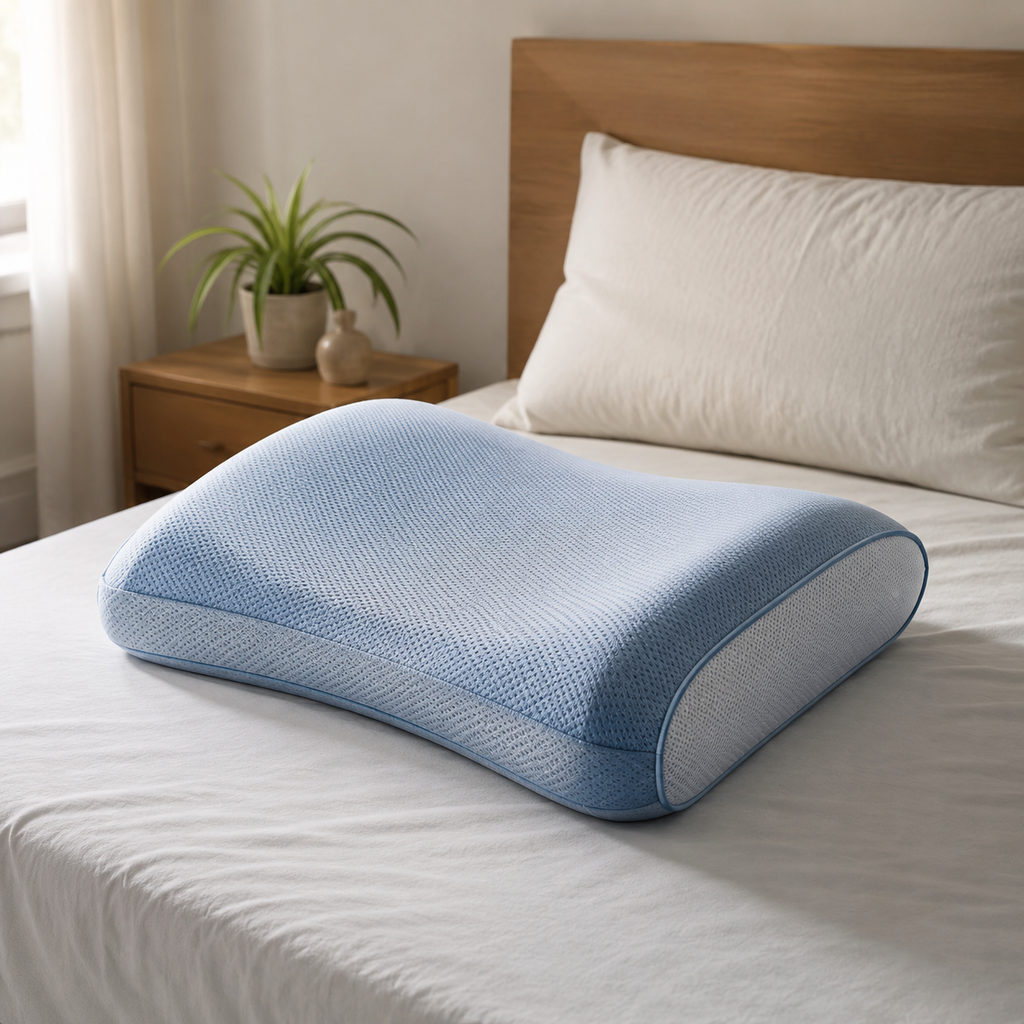
Night sweats leave you waking up with a damp, hot pillow that disrupts sleep instead of supporting it. Regular memory foam traps heat, and standard covers absorb moisture without dissipating it. You need a pillow with active cooling technology—gel layers, breathable covers, or phase-change materials that pull heat away from your head. We evaluated cooling pillows by temperature regulation, moisture-wicking covers, ventilation design, and how long they maintain coolness. Every pick here uses cooling gel, breathable foam, or moisture-wicking fabric that stays noticeably cooler than standard pillows. The top choices combine multiple cooling technologies and remain comfortable even during hot flashes or warm summer nights.
What Makes a Cooling Pillow Actually Work
Effective cooling pillows combine multiple technologies—gel-infused foam, moisture-wicking covers, and ventilated construction. The cover should pull moisture away from your skin, not trap it. Bamboo and phase-change fabrics work better than cotton or polyester for this. Gel layers provide initial cooling but warm up after 30-60 minutes as they absorb body heat.
Airflow matters more than gel for sustained cooling. Shredded fill allows air to circulate between foam pieces, while solid memory foam blocks airflow and traps heat. Look for pillows with ventilation channels or perforated foam that let hot air escape. The best cooling pillows stay noticeably cooler through the entire night, not just when you first lie down.
Moisture-Wicking Covers: Why They Matter
Night sweats soak into your pillow, creating a damp, warm environment that disrupts sleep. Standard cotton absorbs moisture but doesn’t dry quickly. Bamboo-derived fabrics and phase-change materials actively wick moisture away and disperse it across a larger surface area to evaporate faster.
Breathable covers with mesh panels increase airflow and speed up drying. Some cooling pillows use dual-layer covers—a soft inner layer next to your skin and a ventilated outer layer for airflow. Machine-washable covers let you remove sweat and oils that accumulate over time. Wash weekly if you deal with regular night sweats.
Gel vs. Foam vs. Latex for Cooling
Gel-infused memory foam feels cool initially but warms to body temperature within the first hour. It works best for people who take time to fall asleep—the initial cooling helps you get comfortable. Shredded foam without gel stays cooler longer because air moves between the pieces, but offers less contouring than gel foam.
Latex naturally sleeps cooler than memory foam and provides more bounce and responsiveness. Shredded latex combines cooling with support, making it ideal for side sleepers who need both temperature regulation and neck alignment. Gel fiber (polyester with gel coating) offers budget-friendly cooling but less support than foam or latex.
Adjustable Loft for Better Airflow
Thicker pillows trap more heat between your head and the pillow surface. If you sleep hot, try a lower loft to reduce contact area. Adjustable pillows let you remove fill to customize both support and cooling—less fill means more airflow and cooler sleep.
Side sleepers need more loft for neck support, but can still optimize cooling by choosing breathable fill. Back and stomach sleepers benefit from thinner pillows that keep the head closer to the mattress and allow heat to dissipate more easily. Adjust loft gradually—remove small amounts of fill over several nights until you find the right balance of support and cooling.
Frequently Asked Questions
How long does a cooling pillow stay cool?
Gel-based cooling lasts 30-60 minutes before warming to body temperature. Pillows with breathable covers and ventilated foam maintain cooling throughout the night by allowing continuous airflow. Phase-change materials actively pull heat away and last longer than gel alone.
Can I wash a cooling pillow?
Wash the cover monthly in cold water on gentle cycle. Most foam fills cannot be washed—water damages the structure and gel infusion. Spot clean spills on the foam itself. Air the pillow regularly to prevent moisture buildup and odors.
Do cooling pillows work for hot flashes?
Yes, but choose pillows with sustained cooling, not just gel. Moisture-wicking covers paired with breathable latex or shredded foam work better than gel alone for hot flashes that occur throughout the night. Phase-change fabrics actively regulate temperature instead of just absorbing heat.
Are cooling pillows good for side sleepers?
Yes, if they provide enough loft. Look for adjustable cooling pillows that let you customize thickness while maintaining airflow. Shredded latex offers both cooling and the support side sleepers need for neck alignment.
Related Guides
Bottom Line
The best cooling pillows for night sweats combine moisture-wicking covers with breathable fill that maintains airflow throughout the night. Eli & Elm delivers premium cooling with latex and adjustable loft for side sleepers. Budget options like Sleepavo and Beckham provide solid cooling without advanced features. Choose based on your budget, sleep position, and whether you need sustained cooling or just initial coolness.

Leave a Reply