

Your lint trap catches maybe half of what comes off a load of towels. The rest rides past the screen and packs into the duct behind the machine, which is why the best dryer vent cleaning kit belongs in the same closet as your ladder and your stud finder. Packed lint is a genuine fire risk. It’s also the boring reason a load needs two cycles to come out dry. We researched five rod-and-brush sets that reach the part of the vent you can’t see.
One thing to be clear about before you spend anything: none of these has a motor. Not one. Rods and a brush head loosen lint off the duct wall, and a vacuum has to pull it out of the pipe. A kit is half a job by design, so plan for the other half if there’s no wet-dry unit in the house already. Our top pick comes first below, then four sets for mixed duct diameters, chimney duty, rod-only refills and the short run behind an apartment stack.

Sealegend 40Ft Dryer Vent Cleaner Kit with Drill Attachment, Flexible Lint Remover Brush & Quick-Snap Rods
Pros
- 40-foot reach handles most residential dryer vent installations
- Upgraded snap-rod design prevents frustrating disconnections during use
- Drill-powered operation makes cleaning faster and more effective
- Complete kit includes everything needed to start cleaning immediately
- Pays for itself after just one use compared to hiring professionals
Cons
- Requires a cordless drill, which isn't included
- No customer reviews yet to verify long-term durability
- Assembly of 29 rods can be time-consuming for very long vents
The advertised 40 feet is the reason to pick this one. That reach covers a long basement duct or a chimney flue with the same rods, and the grabbing head drags clumps back toward the vacuum instead of pushing them deeper.
Hand-tighten every joint before it spins. Owners say the adapter meets a standard hose a little loosely, so keep tape nearby. There's no motor here, so a vacuum does the removal.
Type: Rod and brush duct kit
Advertised reach: 40 ft
Head: Flexible lint-grabbing brush
Best use: Long duct runs and flues
Pros
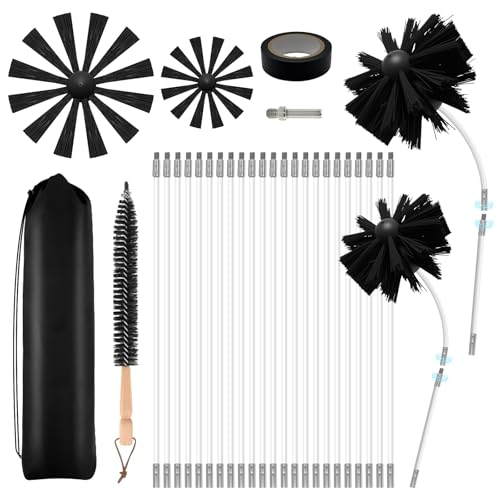
- 29 pieces cover most vent, chimney, and pipe cleaning needs in one box
- Rotating rod connections plus tape keep the assembly from detaching mid-clean
- Works manually or with a drill for faster, less tiring cleaning
- Rods bend to 90 degrees or more, so tight corners aren't a dealbreaker
Cons
- No review history yet, so real-world durability isn't confirmed
- You'll need to tape rod joints yourself to prevent them from coming loose
- 23 short rods means more assembly and connection points than a single long hose
Two brush heads, a 4-inch and a 6-inch, make this the set for ducts that don't hold one diameter. The listing quotes 23 PP rods for roughly 30 feet, enough for a basement run with a couple of bends.
Polypropylene is stiff, which helps punch through packed lint but doesn't love a tight elbow. Don't force it. You'll still want a vacuum at the duct opening.

Holikme Dryer Vent Cleaner Kit, 30Ft Flexible Chimney Brushes with Synthetic Brush Heads
Pros
- 30-foot reach handles long or winding vent runs
- No power drill required, though it's compatible if you want one
- Two brush heads add versatility for different duct sizes
- Taped rod joints help prevent breakage mid-job
- Straightforward for a DIY fire-prevention task
Cons
- No listed specifications or user reviews to confirm long-term durability
- Flexible rods can be awkward to maneuver around tight vent bends
- You'll need to handle lint cleanup yourself, which isn't a quick wipe-down job
Holikme covers two chores with one purchase: a 30-foot duct clean and a chimney sweep, using the same rod chain with a different head. These rods carry more spring than premium sets, which helps them follow a hard transition bend behind a stacked washer-dryer.
Watch the couplings under drill load. Owner feedback mentions a segment working loose mid-run. Go slow, forward only.

Pros
- Highly flexible rods bend through tight vent angles without breaking
- Versatile use with manual rotation or drill attachment
- Solid warranty coverage with fast response times
- Affordable price point for essential home maintenance
Cons
- Brush head sold separately, adding to total cost
- No customer reviews yet to confirm long-term durability
- May require trial and error to find compatible brush attachments
This is a rod pack, not a complete kit. Ten segments and no brush head, meant for owners who ran out of reach halfway down a duct and need to extend a set they already have.
Check the thread pattern on your existing brush before ordering, since these fittings are common but not universal. Stack too many and the chain flexes instead of turning. Wrong buy as a first purchase.
Type: Extension rods only
Included: 10 rods, no brush head
Reach: Builds to the length you need
Best use: Adding reach to an existing kit

Pros
- Long 15 foot reach handles most residential vent setups
- Flexible rod bends through elbows and tight turns
- Drill-compatible for quicker, less tiring cleaning sessions
- Multi-purpose design works on chimneys and fireplaces too
Cons
- Only fits 4 inch cleaning areas, so it won't work on other duct sizes
- Rod connections can loosen and need tape to stay secure
- No included reviews yet, so real-world durability is still unproven
Fifteen advertised feet on a flexible nylon rod, aimed at drill use from the start. That's plenty for an apartment dryer venting straight through the wall behind the machine, and the same brush gets sold for fireplaces and ventilation ducts.
Owner feedback flags bristle loss after repeated jobs, and the reach runs out quickly on a basement duct. Measure first. Cheap and flexible, but limited by length.
How We Picked These Kits
Reach came first. A kit advertised at 30 feet sounds generous until you trace the real run: out the back of the drum, through a joist bay, then across a laundry room to a wall cap on the far side of the house. Every elbow eats usable length, because a flexing rod spends some of its reach negotiating the bend. We favored sets that overshoot a normal run instead of exactly meeting it. A rod that stops two feet short leaves the worst of the packed lint sitting exactly where nobody can see it.
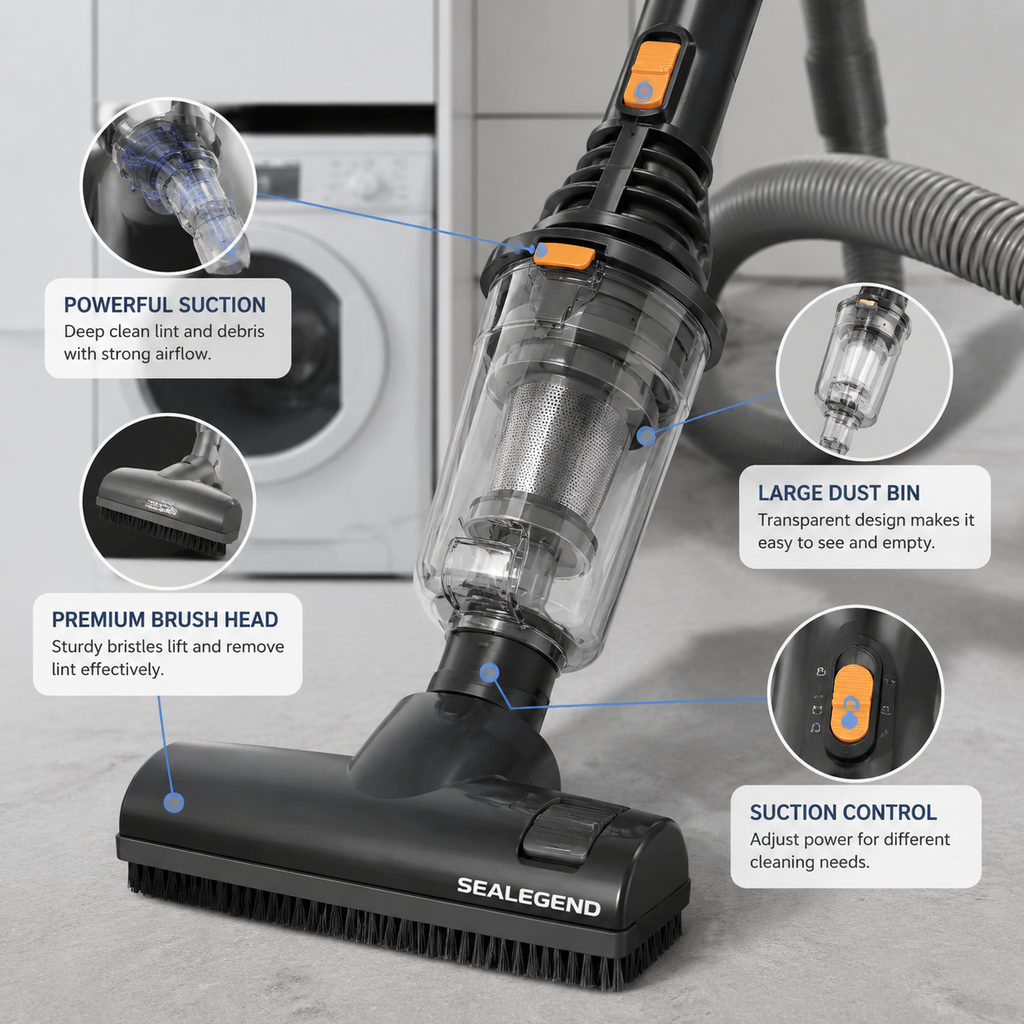
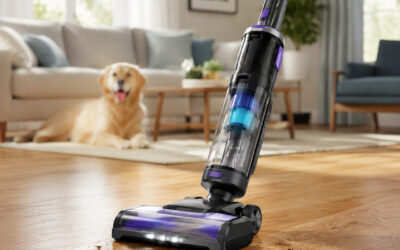
Then the joints, since that’s where these kits actually fail. Owner feedback keeps circling one complaint: a segment comes unthreaded inside the duct because the drill was spinning the wrong way, and now there’s a rod stuck in the wall. So we looked at how each set couples together, and at whether it ships an adapter sized for a real vacuum hose. Plenty of kits don’t. If yours arrives without one, a cordless wet-dry vacuum with a tapered nozzle usually seals against the duct opening well enough to catch what the brush knocks loose.
Best Dryer Vent Cleaning Kit: The Picks
Sealegend 40Ft Kit — Best Overall
Sealegend’s kit is the one we’d hand a friend first, and the advertised 40 feet of reach is most of the reason. That extra ten feet over the usual 30-foot sets is the gap between cleaning a duct and cleaning most of a duct, and it leaves enough rod to sweep a chimney flue or a long bath fan line with the same segments. The head grabs lint rather than just brushing at it, so clumps come back toward you instead of getting shoved deeper toward the wall cap. Flexible enough to round a 90-degree elbow without a fight. It’s the priciest of this group, which feels odd to say about a bundle of plastic rods, and every joint wants a firm hand-tighten before the drill goes anywhere near it. Owner feedback also says the vacuum adapter meets a standard hose but sits loose enough that a wrap of tape helps. Reach plus a forgiving head is what earns it the top spot.
Fovapulme 30 Feet Kit — Best for Mixed Duct Sizes
Ducts don’t always keep one diameter, and that’s the problem this Fovapulme set solves. It ships two brush heads, a 4-inch and a 6-inch, which matters far more than it sounds like it should: run a 4-inch brush through 6-inch pipe and the bristles never contact the wall where lint sticks, so you spin the drill for ten minutes and pull out almost nothing. The listing quotes 23 PP rods for 30 feet total, fine for a typical basement run with a couple of bends. Polypropylene is stiffer than the nylon on cheaper kits, which helps punch through a compacted plug but makes the rod less willing on a tight curve. Force one and you’ll hear it crack. The listing also pitches chimneys and crevices, and it does handle those, though a 6-inch head is undersized for a real masonry flue. Two heads in one box is the honest reason to choose it over the Holikme.
Holikme 30Ft Kit — Best for Chimney Duty Too
Holikme sells this as a dryer vent kit and a chimney brush set in one box, and 30 feet of rod is what makes the double duty plausible. Same chain, different head, and a flue gets swept on a Saturday morning instead of by appointment. It’s the cheapest of the three complete kits here and the rods show it, with more whip than the Sealegend segments once a drill gets them turning. That whip isn’t automatically a flaw. A springier rod follows the curve of a transition elbow instead of arguing with it, which is what you want behind a stacked washer-dryer where the duct kinks hard in the first foot. The weakness sits at the couplings. Owner feedback mentions a segment working loose partway down a run and needing a hook to retrieve, so keep the drill in forward and keep the pace slow. For a household that wants both chores handled by one purchase, it’s the sensible buy.
HUAWELL Rod Set — Best Rod-Only Extension
Read this listing twice, because HUAWELL isn’t selling a kit in the way the category implies. Ten rods and no brush head. No adapter either. It’s an extension pack for people who already own a set and discovered halfway down the duct that the run goes farther than their rods do. As a first purchase it’s the wrong product, and most of the unhappy reviews come from buyers who skimmed the title. As a second purchase it’s the cheapest possible fix for a reach problem, since the segments thread onto a head you already have and you choose the total length. Compatibility is the real catch: the threads follow a common pattern, not a universal one, so check the fitting on your existing brush before ordering. The other limitation is physics. Stack ten more rods onto a long chain and the assembly starts absorbing the drill’s torque instead of passing it to the brush, somewhere past roughly 35 or 40 feet.
AOGYikang 15 Feet Kit — Best for Short Wall Runs
There’s no pretending about reach here: AOGYikang quotes 15 feet, and that’s the entire pitch. Apartment dryers often vent straight through the wall right behind the machine, a run of six or eight feet with a single bend, and threading 40 feet of rod through that is just more rod to coil up afterward. The nylon rod is the most flexible in this group, which is why the listing also aims it at fireplaces and ventilation ducts, and it’s built for a drill chuck from the start rather than as an afterthought. Owner feedback here is the least enthusiastic of the five, and the recurring note is bristle loss, with the head shedding strands and looking tired after a season. It has no chance at all on a long basement duct, so measure before ordering rather than after. Fine for a wall-cap vent you can almost see daylight through. Not enough kit for a two-story house with the laundry upstairs.
| Model | Rod Length | Head Type | Best For | Price Tier |
|---|---|---|---|---|
| Sealegend 40Ft Kit | 40 ft advertised | Lint-grabbing brush | Long duct runs and flues | Mid-range |
| Fovapulme 30 Feet Kit | 30 ft, 23 PP rods | 4-inch plus 6-inch brushes | Ducts that change diameter | Mid-range |
| Holikme 30Ft Kit | 30 ft advertised | Vent and chimney brushes | Dryer duct plus chimney | Budget |
| HUAWELL Rod Set | 10 rods, your length | None included | Extending a kit you own | Budget |
| AOGYikang 15 Feet Kit | 15 ft advertised | Nylon-rod drill brush | Short wall-cap vents | Budget |
Rod Length, Brush Heads and Vacuum Fit
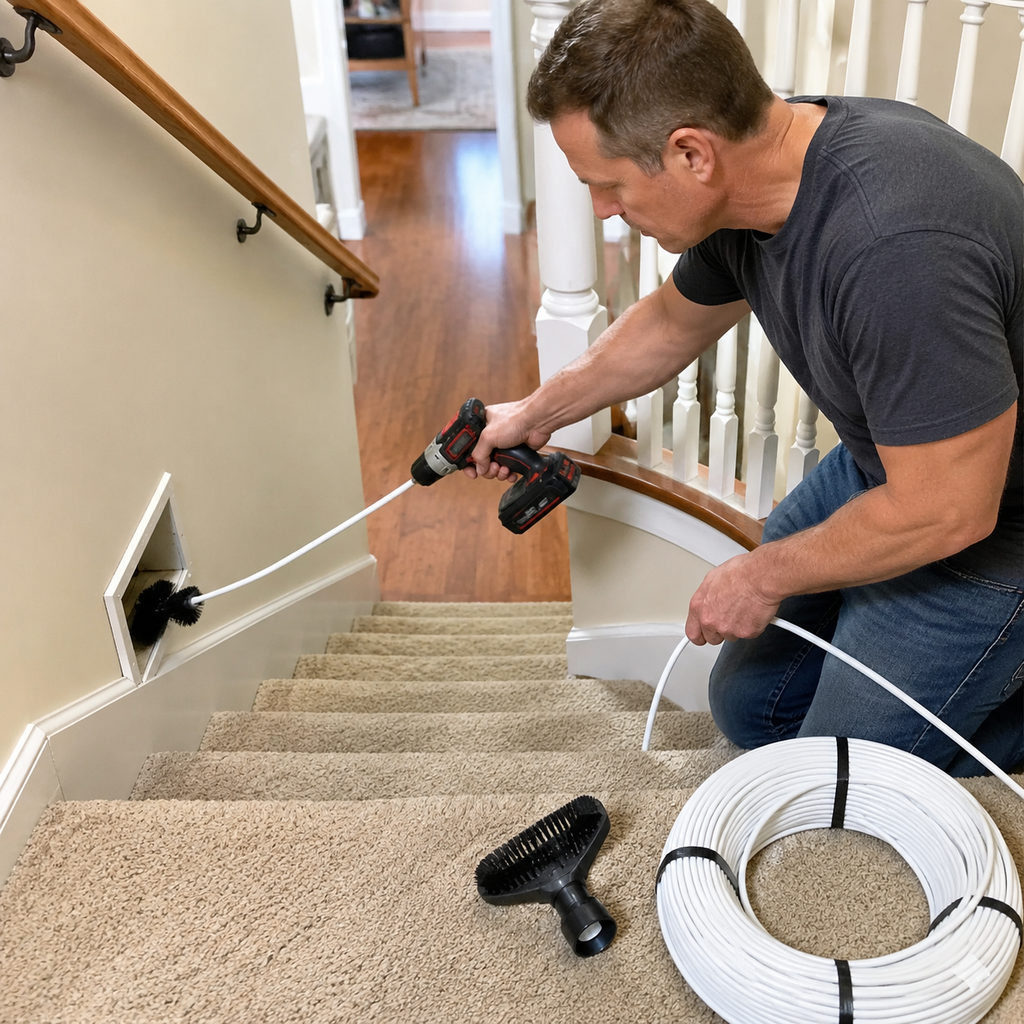
Measure the run before you pick a length. Start at the back of the dryer, follow the duct to the wall cap, and add a foot of slack for every elbow along the way. A 30-foot set covers most single-story homes. Laundry on the far side of a basement, or upstairs laundry venting through a roof cap, wants the 40-foot option or a rod pack stacked onto what you already have.
The head has to match the pipe, not the box art. Four-inch is the standard residential duct, so a 4-inch brush does the real work. A 6-inch head is for flues and oversized vents. A blast nozzle that fires air instead of scrubbing shifts loose fluff but slides right past the grey felt packed near a bend, while an auger-style grabber drags clumps back toward you. Bristles alone push some of it forward.
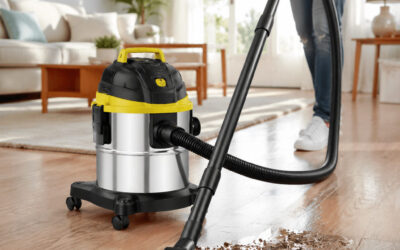
You’re buying half a system, so check the vacuum adapter. Rods loosen the lint. Something else has to remove it, and when a kit includes an adapter it’s usually sized for the standard hose on a full-size shop vac for garage cleanup. Confirm the diameter matches your hose first. Taping a mismatched fitting over an open duct while a brush spins inside is how lint ends up on the laundry room floor instead of in a tank.
A drill speeds the job up and also breaks rods. Spinning the chain clears a duct far quicker than pushing by hand, and two rules keep you out of trouble. Run the drill clockwise only, because reverse unthreads the joints and abandons a segment in the wall. Don’t force a bend either. A rod that quits moving has found an elbow, not a reason for more pressure, and a forced bend snapping a rod is the failure owners report most.
Frequently Asked Questions
How often should a dryer vent be cleaned?
Once a year suits a typical household. Make it twice if you dry several loads a day or the duct run is long. Signs you’re overdue: clothes still damp after a full cycle, or a cabinet top that’s hot to the touch when the machine finishes.
Do these kits work without a vacuum?
Not really. The rods and brush scrape lint off the duct wall, and with nothing pulling it out, most of that debris drops behind the dryer or gets pushed toward the wall cap. Hold a vacuum hose at the duct opening while you work. That’s the half of the job the box doesn’t include.
Can I run these rods with a drill?
Most sets are built for it and say so on the listing. Keep the chuck turning clockwise the whole time. Counterclockwise unthreads the segments and drops one inside the duct, which then needs a retrieval hook and a bad hour of your afternoon.
What rod length do I need for an upstairs laundry room?
More than you’d guess. A second-floor dryer usually vents up to a roof cap or sideways through an exterior wall with two bends hidden in between, so 30 feet is the floor and 40 feet is safer. Measure the visible section, then assume the hidden section is longer.
Is the best dryer vent cleaning kit worth owning if a pro cleans mine?
Yes, for the months in between visits. A pro clears the whole run properly, but lint rebuilds within weeks in the transition hose right behind the machine, and that’s the stretch you can reach yourself in ten minutes. Treat the kit as maintenance, not as a replacement for the annual clean.
Related Guides
- best upright vacuum
- best carpet cleaner for pets
- best hard floor cleaner
- More vacuum & floor care guides
The Bottom Line
Buy for the run you actually have. The Sealegend 40Ft Kit is our top pick because 40 advertised feet covers nearly any home, and the grabbing head drags lint back toward the vacuum instead of packing it forward. If your ducts change diameter along the way, the Fovapulme 30 Feet Kit’s pair of 4-inch and 6-inch brushes fixes something the others can’t. Households that also want a flue swept should look at the Holikme 30Ft Kit, while the AOGYikang 15 Feet Kit is plenty for an apartment vent that exits straight through the wall behind the machine. The HUAWELL Rod Set is an add-on, never a starting point. And remember what none of them do. No motor, no suction, no lint leaving the duct on its own. Pair whichever you pick with a vacuum held at the opening, and one careful pass a year keeps the dryer breathing.


Write Your Review
No reviews yet. Be the first to share your experience!